
Bail Bond Exoneration: What It Means and How It Works
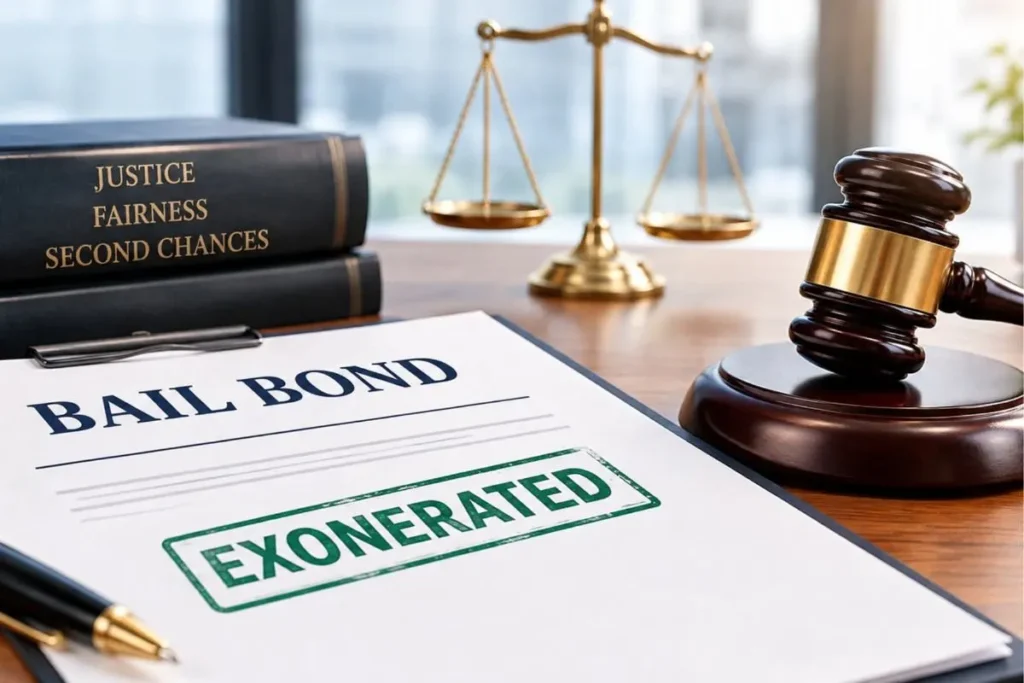
When you arrange a bail bond for someone, the immediate goal is usually to help them get out of jail and return home while their case moves forward. Their release, however, does not end the bail bond process. The bond remains in effect while the case proceeds, and eventually, the court may exonerate it.
But this is where things can get confusing – what does it actually mean when a bail bond is exonerated?
Simply put, bail bond exoneration means the court has released the bond from further responsibility in the case. So, the bail bond is no longer being used to guarantee the defendant’s appearance in court. And exoneration can happen for several reasons, and it does not necessarily mean the charges were dropped or the defendant was found not guilty.
That can leave you wondering what happens to the case, your money, or any collateral you provided. This guide answers those questions and explains what may come next.
| Get Reliable Bail Bond Services Today – Contact Us Now! |
What Does Bail Bond Exoneration Mean?
Bail bond exoneration means the court has released the bail bond from further liability in the case. In other words, the surety is no longer responsible for guaranteeing the defendant’s appearance under that bond.
Think back to when the bond was first posted –
A bail bond allowed the defendant to leave custody while the criminal case continued. In return, the defendant was expected to appear in court when required and follow applicable release conditions.
But once the bond is exonerated, that particular guarantee ends. That makes the basic idea fairly simple – the bond did its job, or another legally recognized event ended its responsibility.
When Does a Bail Bond Get Exonerated?
A bond may be exonerated at different points depending on what happens in the criminal case. And no, it is not limited to a not-guilty verdict. Common situations can include –
- The criminal case reaches a point where the bond is no longer required.
- The charges are dismissed.
- The defendant is acquitted.
- The defendant is sentenced or otherwise reaches a qualifying disposition.
- The defendant is returned or surrendered to custody under circumstances that allow the bond to be exonerated.
- A previous bail forfeiture is set aside, and the bond is subsequently exonerated.
The exact reason matters because every case develops differently. If you are unsure why a bond was exonerated, check the court record or speak with a company providing bail bonds service.
Does Exoneration Mean the Criminal Case Is Dismissed?
No. An exonerated bail bond does not automatically mean the criminal charges have been dismissed. Exoneration refers to the status of the bail, not necessarily the outcome of the criminal charges.
This distinction can save you a lot of confusion. For example, a defendant could reach sentencing, and the bail obligation could end even though the case resulted in a conviction. In another situation, the court could dismiss the charges, which may also lead to exoneration.
So, when someone tells you, “Your bond was exonerated,” do not assume that means the defendant won the case. Instead, ask what happened with both –
- The bail bond
- The underlying criminal case
They are connected, but they are not the same thing.
What Happens to the Money After a Bond Is Exonerated?
This is often the first question families ask, and understandably so. You may have paid a bail bond premium and possibly provided collateral when your loved one was released. And here is what happens to your money after the bond is exonerated –
- Cash Bail: If cash bail was deposited directly with the court, the person who made the deposit may generally receive the money back after the court orders the bail exonerated. But this is subject to applicable court procedures and deductions.
- Bail Bond Premium: A bail bond premium works differently. When you hire a bail bond company, you pay a fee for the company to post the bond and take on the financial risk associated with it. Exonerating the bond does not mean the bail bond premium is automatically refunded.
- Collateral: When a bail bond is exonerated, any collateral you provided is generally returned once the bond company confirms that there are no remaining obligations under the bail agreement. But the exact process and timing can depend on the type of collateral and the terms of your agreement.
Exonerated vs. Forfeited Bail Bond: What Is the Difference?
The words sound technical, but the difference is significant.
| Bail Status | What It Generally Means |
| Exonerated | The bond is released from further liability. |
| Forfeited | The court has declared the bail forfeited, commonly after a defendant fails to appear for a required court date. |
| Reinstated | The bail bond becomes active again after it was previously forfeited, when legally allowed. |
A forfeited bond can make the situation more serious. If the defendant misses a required court date, the court may forfeit the bail bond.
However, that does not always mean the bond is permanently lost. In some situations, if the defendant returns to court or is taken back into custody within the time allowed by California law, the court may cancel the forfeiture and exonerate the bond.
That is why a missed court date should be handled quickly. If the defendant misses a court date, you should contact the bail bond company and the defendant’s attorney as soon as possible to understand what steps may be available.
| Need Help With Bail? We’re Here for You! – Contact Us! |
What Should You Do After Learning the Bond Was Exonerated?
Once you hear that the bond has been exonerated, get confirmation and find out whether anything remains for you to handle. You can start with a few practical questions –
- Has the court officially exonerated the bond?
- Does the defendant have any remaining court obligations?
- Was collateral provided for the bond?
- If so, what is required for its release?
- Is there any paperwork you need to complete?
- Are there any outstanding contractual obligations under the bail agreement?
If you arranged bail bonds services for a family member, you may have spent weeks or months keeping track of court dates and worrying about what could happen next. Getting a clear explanation of the bond’s status can take one major uncertainty off your shoulders.
The same applies if you used bail bonds services. Do not be afraid to ask questions simply because the legal language sounds formal. Remember that you deserve to understand what happens next.
Answering Your Common Questions About Bail Bond Exoneration
1. How do I know if a bail bond has officially been exonerated?
The court record should reflect the exoneration. Your bail bond company may also receive documentation showing that its obligation on the bond has ended. But if you are unsure, contact the court or the bail company handling the bond rather than relying on secondhand information.
2. How long does it take to get cash bail back after exoneration?
The time it takes to receive cash bail back can vary depending on the court and its procedures. You can contact the court that handled the case to ask about the refund process. Your bail bond company can also help you understand the bond status and any next steps you may need to take.
3. Does the co-signer have anything to do after exoneration?
Possibly. If you co-signed the bail bond or provided collateral, check with the bail bond company once the bond is exonerated. They can tell you whether you need to sign any paperwork, take steps to have your collateral returned, or handle anything else related to the agreement.
Takeaway
The easiest way to remember bail bond exoneration is this: the bond is released from its responsibility to the court.
That may happen after the case reaches an appropriate conclusion, charges are dismissed, the defendant is surrendered to custody, or another qualifying event occurs. However, exoneration does not automatically mean the defendant was found innocent, and it does not automatically mean a bail bond premium will be refunded.
And if you see “bond exonerated” on court paperwork and are unsure what it means for your situation, contact your bail bond company for clarification rather than making assumptions.
Read More About:
- Do You Get Your Bail Money Back If Found Not Guilty?
- Can You Bail Someone Out on Weekends or Holidays?
- Bail Bonds and Substance Abuse Charges: A Guide for Families
- California Bail Bonds: What Happens When Payment Is Missed
Get Clear Answers About Your Bail Bond With Holly Bail Bonds
Hearing that a bond has been exonerated should bring some relief, not another round of confusing questions. If you are still wondering what happened to the bond, what comes next, or what you need to do about collateral, Holly Bail Bonds can answer your questions about the bond and guide you through the next steps.
We’re a woman-owned bail bond company with 33+ years of bail industry experience and 24/7 availability. Whether you need help understanding an existing bond or urgently need bail bonds Quincy or bail bonds Lake Almanor services for someone you care about, you can reach out when you need clear, calm guidance.
Just call us at 877-903-3928, and we’ll take it from there.